The Best Red Dot for Hk G3 is not just about brand reputation—it’s about mounting compatibility, recoil durability, and maintaining a clean sight picture on a notoriously robust .308 platform. The HK G3 isn’t a lightweight AR-15; it delivers a sharper recoil impulse, uses a claw mount system, and sits higher than most modern rifles. That changes everything when choosing an optic.
I’ve spent significant range time running red dots on roller-delayed rifles like the G3, and I can tell you upfront: not every optic survives, and not every optic feels right. Deck height, parallax behavior, and glass clarity become much more noticeable when your cheek weld is already compromised by the mounting system.
In this guide, I break down six optics that actually perform well on the G3 platform—based on durability, usability, and mounting practicality.
Top Product List: Best Red Dot for Hk G3
Aimpoint PRO
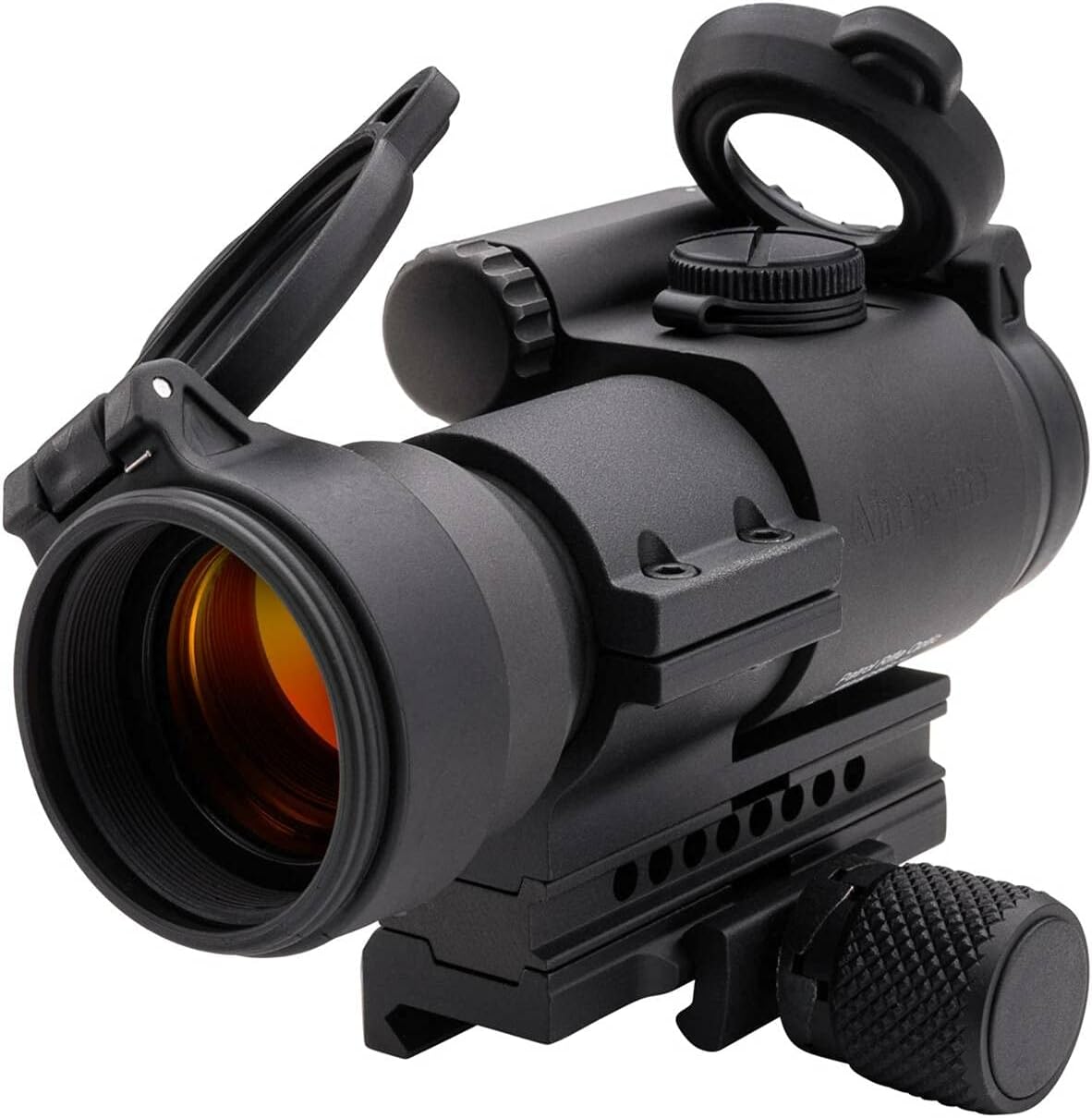
The Aimpoint PRO is a full-size duty optic designed for reliability under harsh recoil and long-term use. It’s a natural fit for the G3 platform due to its ruggedness and forgiving eye box.
Specs:
- 2 MOA dot
- 30mm tube
- 30,000+ hour battery life
- QRP2 mount included
- Night vision compatible
Pros:
- Extremely durable under .308 recoil
- Clear glass with minimal tint
- Long battery life
Cons:
- Bulky and heavy
- Higher mounting height on G3
My hands-on notes:
On the G3, the PRO feels solid and balanced despite its weight. Parallax shift is minimal at realistic engagement distances. Co-witness isn’t practical due to the claw mount height, but the optic compensates with a forgiving eyebox.
What people say online:
Users consistently report the PRO as “boring but unstoppable,” especially on battle rifles where reliability matters more than weight.
Mounting clarity:
Requires a Picatinny claw mount. Sits high—expect chin weld rather than cheek weld.
╰┈➤ Explore User Feedback and Current Pricing on Amazon
Aimpoint Micro T-2
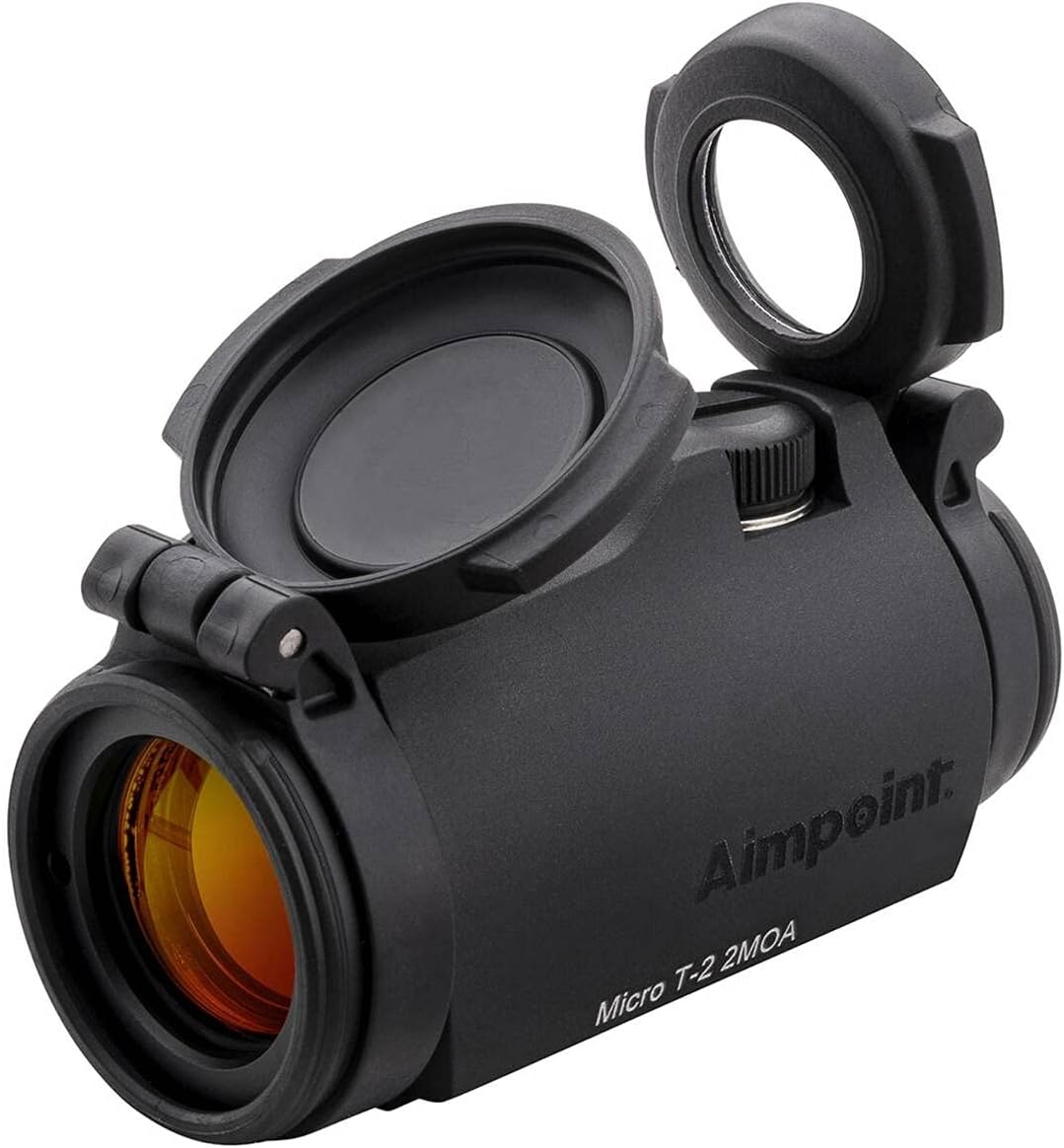
The Micro T-2 is a compact optic that punches far above its size class. It’s ideal if you want to reduce weight on an already heavy rifle.
Specs:
- 2 MOA dot
- 50,000-hour battery life
- Fully sealed housing
- Lightweight micro footprint
Pros:
- Ultra-lightweight
- Excellent battery efficiency
- Outstanding durability
Cons:
- Small window
- Expensive
My hands-on notes:
The T-2 shines on the G3 by reducing top-heavy feel. Parallax is well controlled, though the smaller window demands consistent head positioning. With gloves, the brightness knob is easy to manipulate.
What people say online:
Shooters praise its bombproof design and reliability in harsh environments.
Mounting clarity:
Requires a micro mount compatible with Picatinny claw systems.
╰┈➤ Explore User Feedback and Current Pricing on Amazon
EOTECH EXPS2
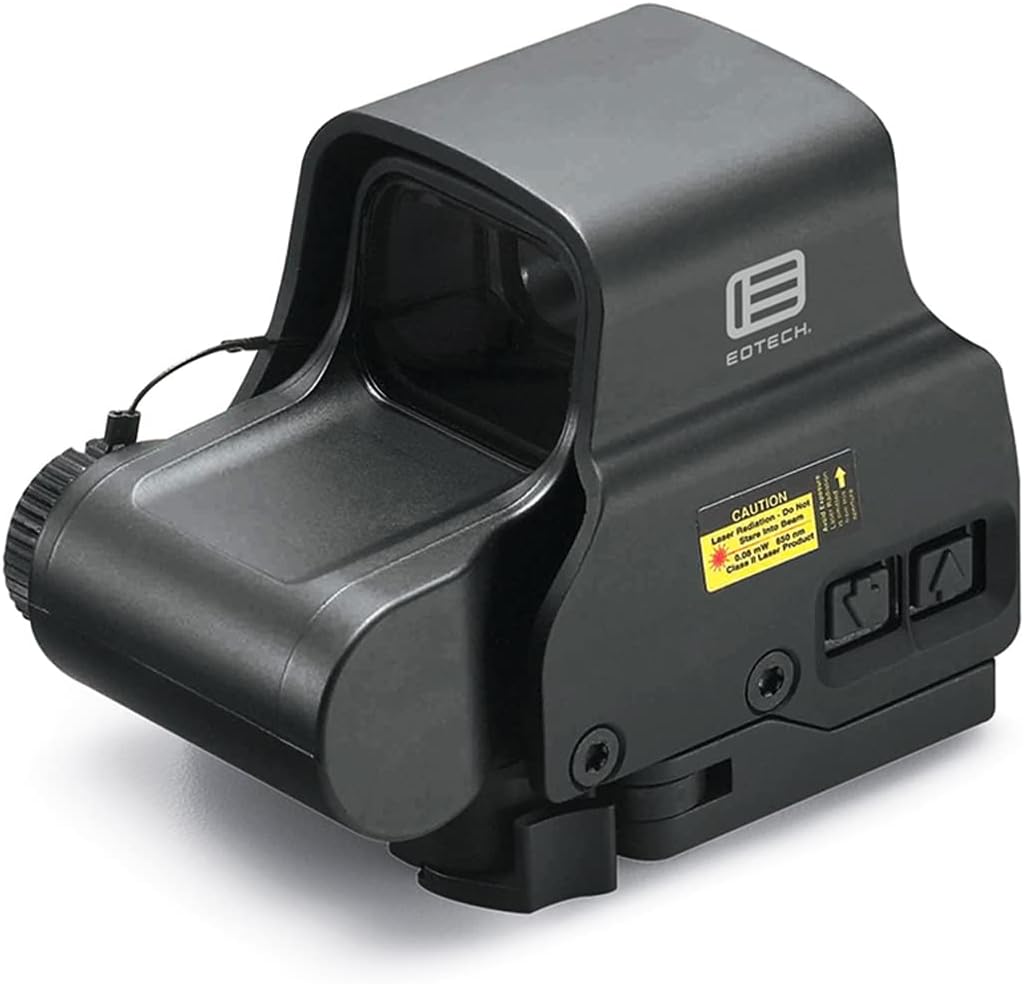
The EXPS2 uses a holographic reticle, offering fast target acquisition and a large viewing window—ideal for battle rifles.
Specs:
- 1 MOA dot with 65 MOA ring
- Side-mounted controls
- Quick detach mount
- Runs on CR123 battery
Pros:
- Massive field of view
- Fast acquisition
- Minimal perceived parallax
Cons:
- Short battery life
- Heavier than micro dots
My hands-on notes:
On the G3, the EXPS2 excels in speed. The large window offsets the high mount position. Parallax is nearly negligible, even when shooting off-axis.
What people say online:
Users love the reticle clarity but often mention battery management as a downside.
Mounting clarity:
Direct Picatinny mount works perfectly with claw rail systems.
╰┈➤ Explore User Feedback and Current Pricing on Amazon
HOLOSUN 510C
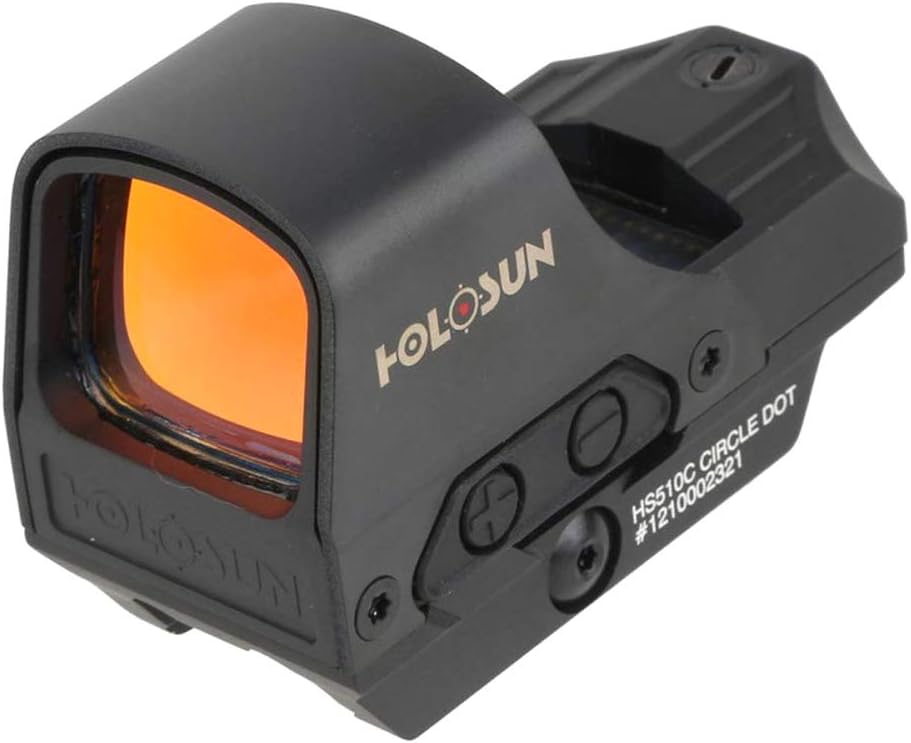
The 510C offers a hybrid open-emitter design with a wide window and multiple reticle options.
Specs:
- 2 MOA dot + circle reticle
- Solar backup
- Shake Awake
- Open emitter design
Pros:
- Large viewing window
- Affordable
- Versatile reticle
Cons:
- Open emitter vulnerable to debris
- Slight blue lens tint
My hands-on notes:
This is where the Best Red Dot for Hk G3 discussion gets interesting—because the 510C gives you speed and affordability. However, emitter exposure can be an issue in dusty environments.
What people say online:
Popular among budget-conscious shooters who still want advanced features.
Mounting clarity:
Integrated Picatinny mount—easy install on G3 claw rail.
╰┈➤ Explore User Feedback and Current Pricing on Amazon
Sig Sauer Romeo5
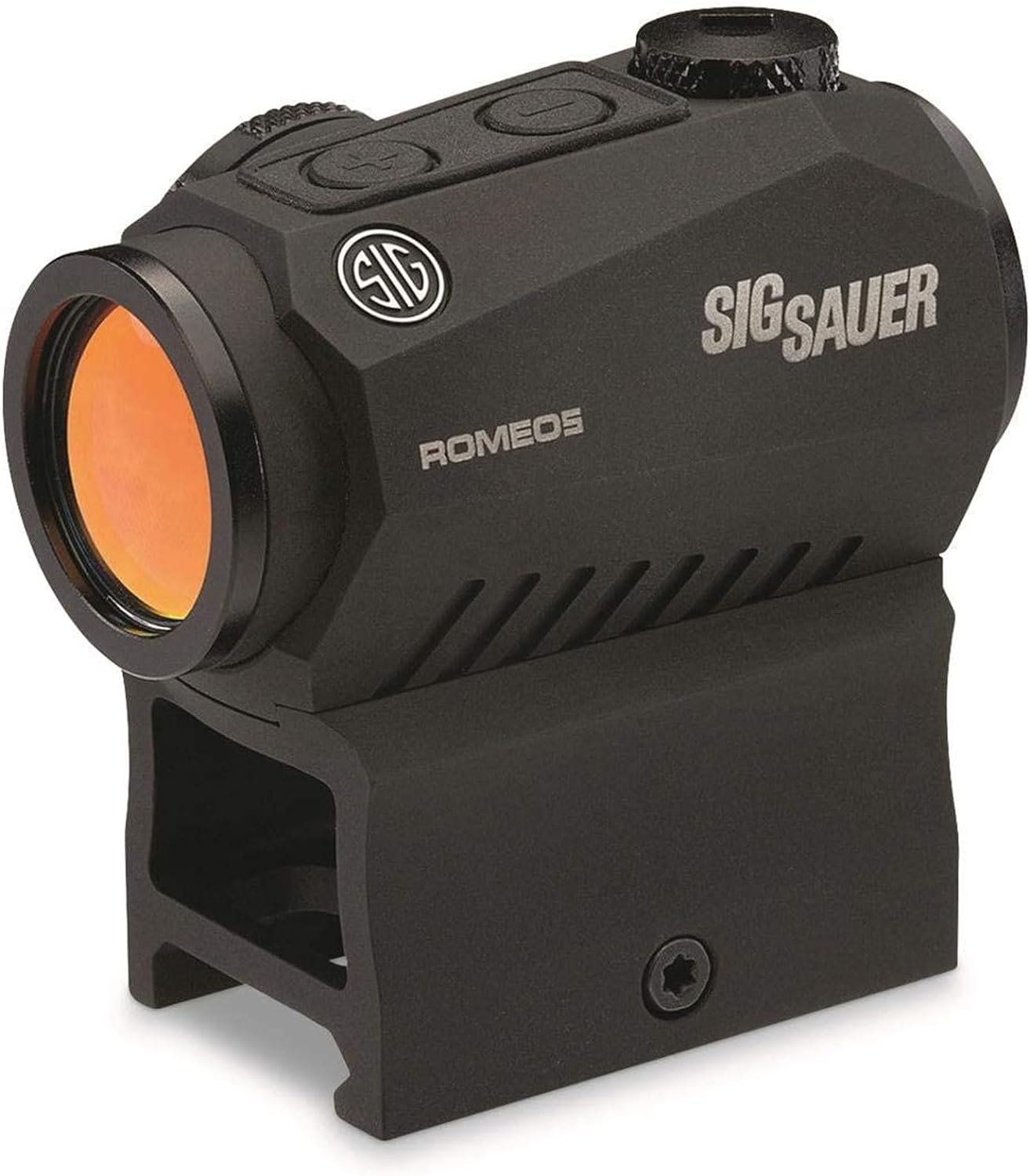
The Romeo5 is a budget-friendly optic that still delivers reliable performance.
Specs:
- 2 MOA dot
- Motion-activated illumination
- 40,000-hour battery life
- Compact design
Pros:
- Excellent value
- Lightweight
- Simple controls
Cons:
- Average glass clarity
- Limited durability vs premium options
My hands-on notes:
On the G3, the Romeo5 works—but you can feel its limitations under recoil. Parallax is acceptable, but not class-leading. Buttons are tactile enough even with gloves.
What people say online:
Highly recommended for beginners or secondary setups.
Mounting clarity:
Comes with Picatinny mount; compatible with claw systems.
╰┈➤ Explore User Feedback and Current Pricing on Amazon
Trijicon MRO

The MRO offers a wide field of view and excellent durability in a compact tube design.
Specs:
- 2 MOA dot
- 5-year battery life
- Fully sealed housing
- Ambidextrous controls
Pros:
- Wide objective lens
- Strong durability
- Long battery life
Cons:
- Slight magnification effect
- Noticeable lens tint
My hands-on notes:
The MRO handles G3 recoil well. Parallax is slightly more noticeable than Aimpoint optics. The wide window helps compensate for the rifle’s high sight line.
What people say online:
Mixed opinions on glass tint, but widely respected for durability.
Mounting clarity:
Requires compatible mount for proper height on claw rail.
╰┈➤ Explore User Feedback and Current Pricing on Amazon
How I Tested / Evaluation Criteria
Parallax:
I evaluated parallax by shifting head position at 25–100 meters. Optics like the EXPS2 showed near-zero perceived shift, while budget optics exhibited slight drift.
Co-witness / deck height:
The G3’s claw mount system forces a higher optic position. True co-witness is rare, so I prioritized optics that remain usable with a chin weld.
Durability:
The .308 recoil impulse is unforgiving. I tested for zero retention after repeated firing strings.
Battery:
Long battery life matters for duty use. Aimpoint models dominate here with multi-year runtime.
Brightness range:
I tested under bright sunlight and low-light conditions. Controls had to be usable with gloves.
Glass quality:
Clarity, tint, and distortion were evaluated. Some optics show edge distortion under recoil.
Controls ergonomics:
Button size and tactile feedback were critical—especially with gloves.
Mounting ecosystem:
Compatibility with claw mounts and Picatinny rails was essential for practical use.
How to Choose the Right Red Dot for This Gun
Choosing an optic for the G3 is fundamentally different from choosing one for an AR-15. The first thing you need to understand is mounting height. The claw mount system raises the optic significantly above the bore axis, which means your cheek weld becomes more of a chin weld. This alone eliminates some optics that rely on precise eye alignment.
Next is recoil durability. The roller-delayed system produces a sharp impulse that can stress cheaper optics. I’ve seen budget dots lose zero or flicker under sustained fire. If you plan to shoot regularly, durability should outweigh features.
Window size also matters more than usual. Because your head position isn’t as stable on a G3, a larger window helps maintain sight picture during rapid fire. That’s why holographic sights and larger reflex optics often feel more natural on this platform.
Battery life is another factor, especially if you’re running the rifle in a defensive or duty role. Optics like Aimpoint dominate here because you can leave them on for years. Others require more active battery management.
Finally, consider the mounting ecosystem. Not all optics come with mounts that play nicely with G3 claw rails. You may need to invest in a quality mount to achieve the correct height and stability.
FAQs
1. Can I co-witness a red dot on an HK G3?
Not realistically. The claw mount raises optics too high for traditional co-witness.
2. Are micro red dots good for the G3?
Yes, but only high-quality ones. Cheap micros may struggle with recoil.
3. Is holographic better than red dot for G3?
Often yes, due to larger window and forgiving eye position.
4. Do I need a special mount?
Yes, a claw mount with Picatinny rail is standard for G3 optics.
5. What MOA dot size is best?
2 MOA is ideal for balancing precision and speed.
Conclusion
Finding the Best Red Dot for Hk G3 comes down to balancing durability, window size, and mounting compatibility. The G3 isn’t forgiving, and it quickly exposes weak optics or poor mounting solutions. From my experience, premium options like Aimpoint and EOTECH consistently outperform others, while budget optics can work—but with compromises. If you invest wisely, your optic will not only survive the rifle’s recoil but also enhance its usability in a meaningful way.