The Best Red Dot for P220 isn’t just about brand reputation—it’s about finding an optic that can handle .45 ACP recoil, sit at the right deck height, and maintain zero on a traditionally non-optics-ready platform.
The SIG P220 is a classic full-size pistol with a strong following, but it wasn’t originally designed for optics. That means mounting solutions, footprint compatibility, and durability matter far more here than on modern optics-ready handguns. I’ve spent time running multiple pistol dots on .45 platforms, and the P220 presents a unique combination of slide mass, recoil impulse, and mounting constraints.
In this guide, I’ll break down six optics that actually make sense for the P220—from rugged duty-grade enclosed emitters to competition-friendly large-window designs. I’ll also explain mounting considerations, co-witness limitations, and what tradeoffs you’ll need to accept when upgrading this platform.
Top Product List: Best Red Dot for P220
Trijicon RMR Type 2
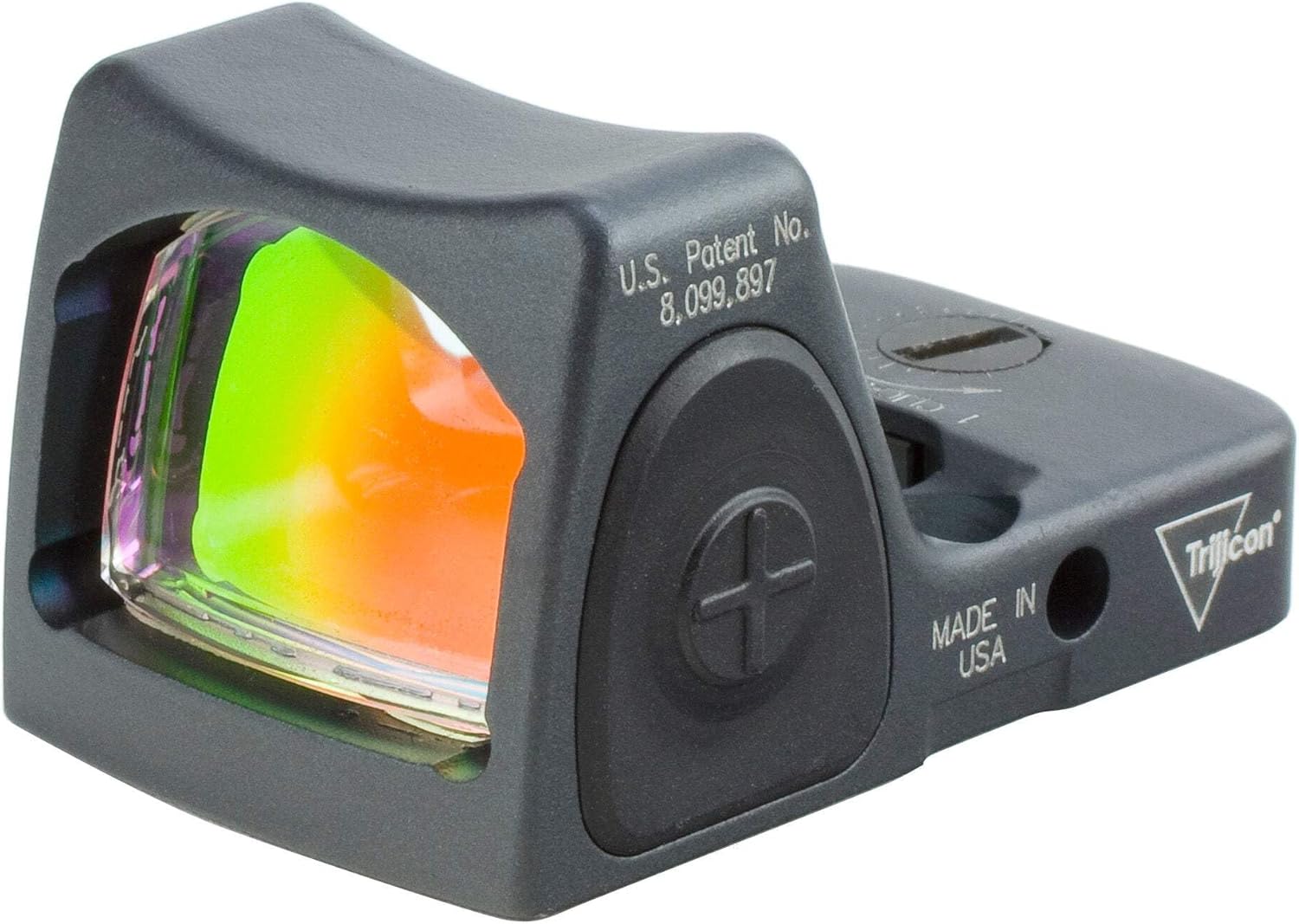
The RMR Type 2 is the gold standard for durability and remains my baseline for any pistol optic evaluation.
Specs:
- Dot sizes: 1, 3.25, 6.5 MOA
- Battery: CR2032 (bottom load)
- Footprint: RMR
- Housing: Forged aluminum
- Waterproof: 20m
Pros:
- Exceptional recoil resistance
- Proven track record on duty pistols
- Minimal parallax shift
Cons:
- Bottom battery access
- Noticeable blue tint
- Small window compared to newer optics
My hands-on notes:
On a .45 ACP slide like the P220, the RMR handles recoil impulse without losing zero. The emitter remains consistent even during rapid strings. Parallax is minimal inside practical distances, and while the window is small, it forces disciplined presentation. Co-witness depends heavily on your mounting plate—expect lower-third at best with suppressor sights.
What people say online:
Most shooters trust the RMR as the “set it and forget it” option. Discussions often highlight its durability over comfort.
Mounting clarity:
Requires an RMR-cut slide or adapter plate. Many P220 conversions rely on dovetail plates.
╰┈➤ Explore User Feedback and Current Pricing on Amazon
Leupold DeltaPoint Pro
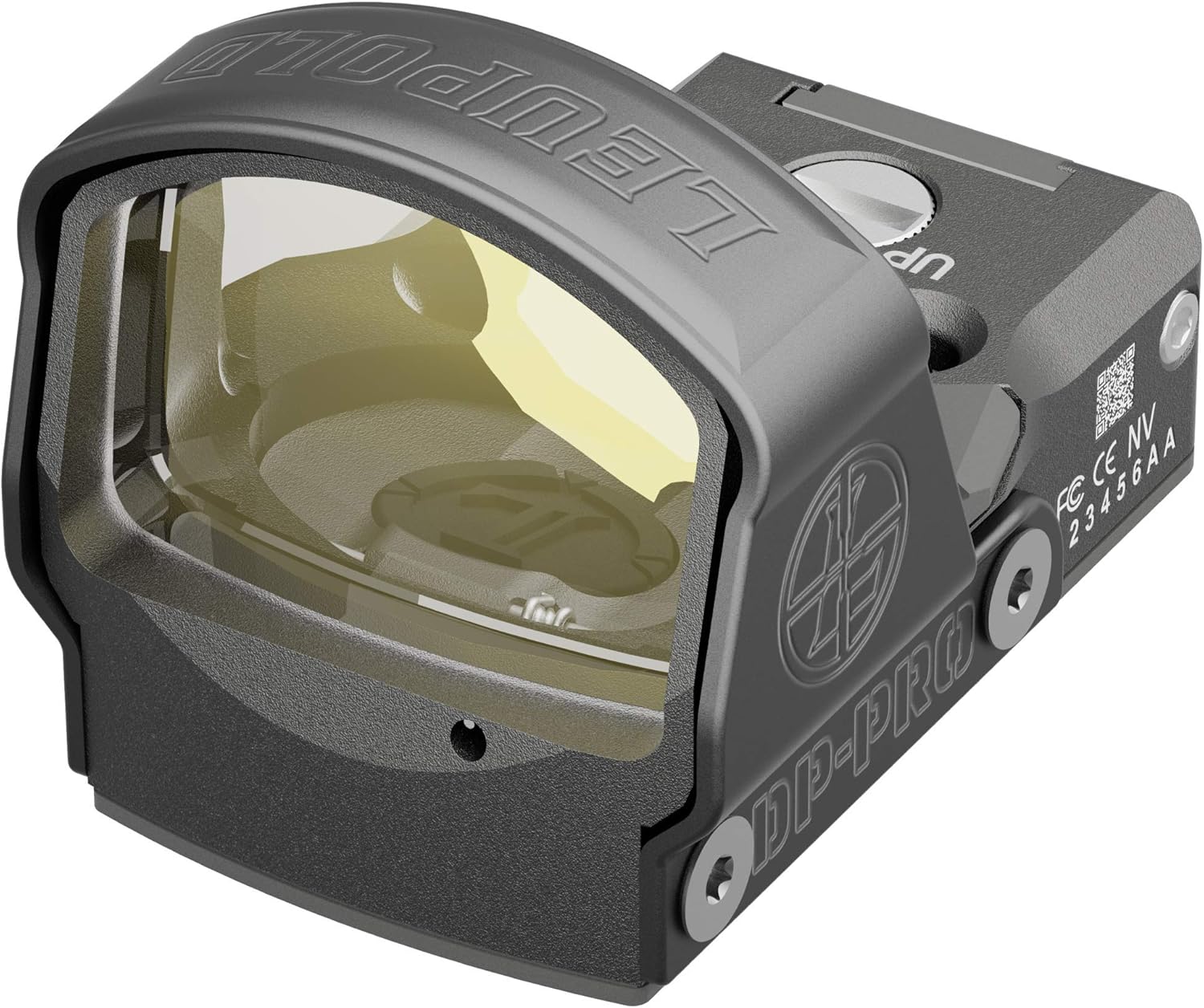
The DeltaPoint Pro prioritizes speed with one of the largest windows available.
Specs:
- Dot sizes: 2.5 MOA, 6 MOA
- Battery: CR2032 (top load)
- Footprint: DPP
- Housing: Aluminum
- Motion sensor: Yes
Pros:
- Huge viewing window
- Crisp glass with low distortion
- Easy battery access
Cons:
- Taller deck height
- Slightly bulky profile
- Button placement is small
My hands-on notes:
The window size makes tracking the dot under recoil much easier, especially with .45 snap. However, the taller deck height means co-witness is harder on a P220. The glass is clearer than most competitors, with less tint than the RMR.
What people say online:
Shooters love the visibility but often mention the need for taller irons and careful mounting.
Mounting clarity:
Requires DPP-compatible plate. Not as widely supported as RMR footprint on older pistols.
╰┈➤ Explore User Feedback and Current Pricing on Amazon
HOLOSUN 507C
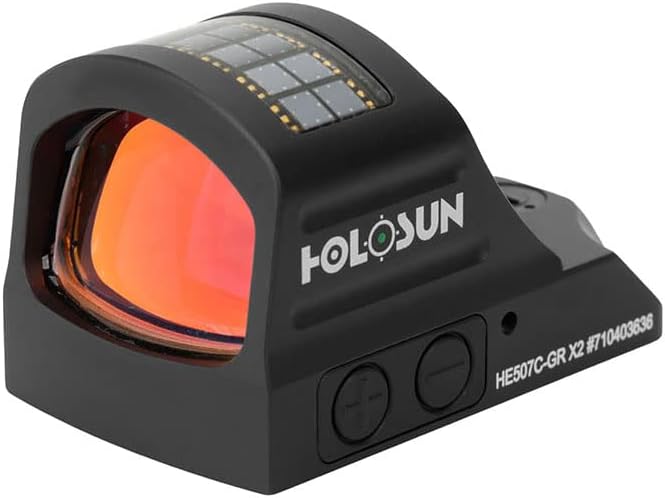
The 507C balances affordability with advanced features like multi-reticle systems.
Specs:
- Reticle: 2 MOA dot, circle-dot
- Battery: CR1632 (side load)
- Footprint: RMR
- Solar backup: Yes
Pros:
- Excellent value
- Side battery tray
- Multiple reticle options
Cons:
- Slight emitter reflection
- Button feel is soft
- Glass has mild tint
My hands-on notes:
On the P220, the 507C holds zero surprisingly well for its price point. The side battery tray is a huge advantage, eliminating re-zeroing. Parallax is acceptable, though not as refined as premium optics. Co-witness is easier due to moderate deck height.
What people say online:
Widely praised for value. Some users mention long-term durability concerns compared to premium brands.
Mounting clarity:
Direct RMR footprint compatibility makes it easy to mount with common plates.
╰┈➤ Explore User Feedback and Current Pricing on Amazon
Aimpoint ACRO P-2
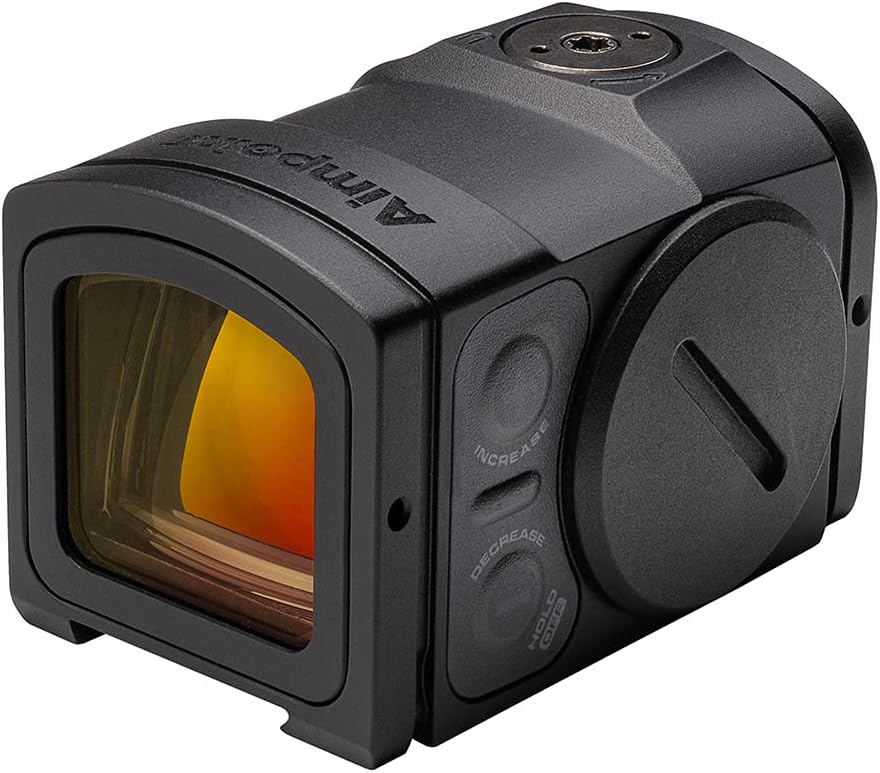
The ACRO P-2 is an enclosed emitter optic built for extreme conditions.
Specs:
- Dot: 3.5 MOA
- Battery: CR2032 (side load)
- Battery life: 50,000 hours
- Housing: Fully enclosed
- Waterproof: 35m
Pros:
- Enclosed emitter prevents occlusion
- Incredible battery life
- Rugged construction
Cons:
- Heavier than open emitters
- Smaller window feel
- Expensive
My hands-on notes:
The enclosed design eliminates emitter blockage from carbon or debris—important on a .45. Recoil handling is excellent. Parallax is extremely well controlled. However, the boxy window can feel restrictive during fast transitions.
What people say online:
Highly respected for duty use. Some shooters struggle with the window size initially.
Mounting clarity:
Requires ACRO-specific plate. Less common for P220, so adapter selection matters.
╰┈➤ Explore User Feedback and Current Pricing on Amazon
Sig Sauer Romeo1
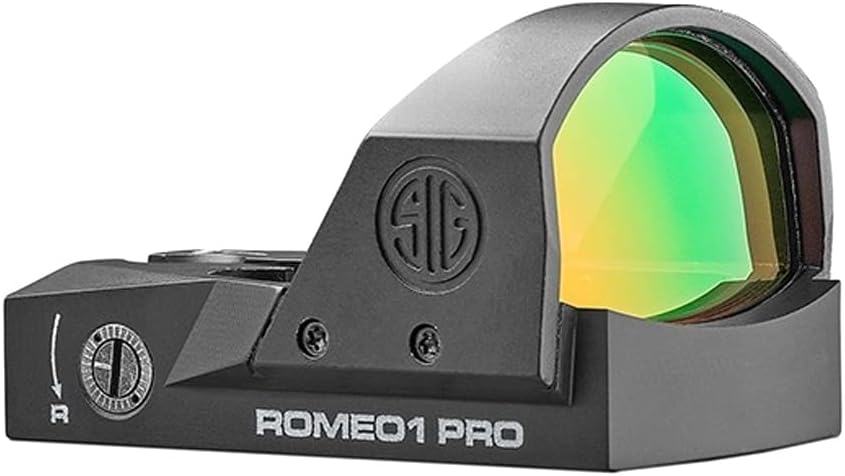
The Romeo1 is a lightweight optic originally designed for SIG pistols.
Specs:
- Dot: 3 MOA
- Battery: CR1632 (top load)
- Footprint: Proprietary
- Housing: Magnesium
Pros:
- Lightweight
- Clear glass
- Designed for SIG integration
Cons:
- Less durable than competitors
- Proprietary footprint
- Limited aftermarket support
My hands-on notes:
On the P220, durability is the main concern. It works fine for range use, but heavy .45 recoil over time can stress the housing. Parallax is acceptable, and the window is easy to acquire. Co-witness depends heavily on mounting solution.
What people say online:
Mixed reviews—good performance but concerns about long-term durability.
Mounting clarity:
Requires specific adapter for non-optics-ready P220 models.
╰┈➤ Explore User Feedback and Current Pricing on Amazon
EOTECH EFLX
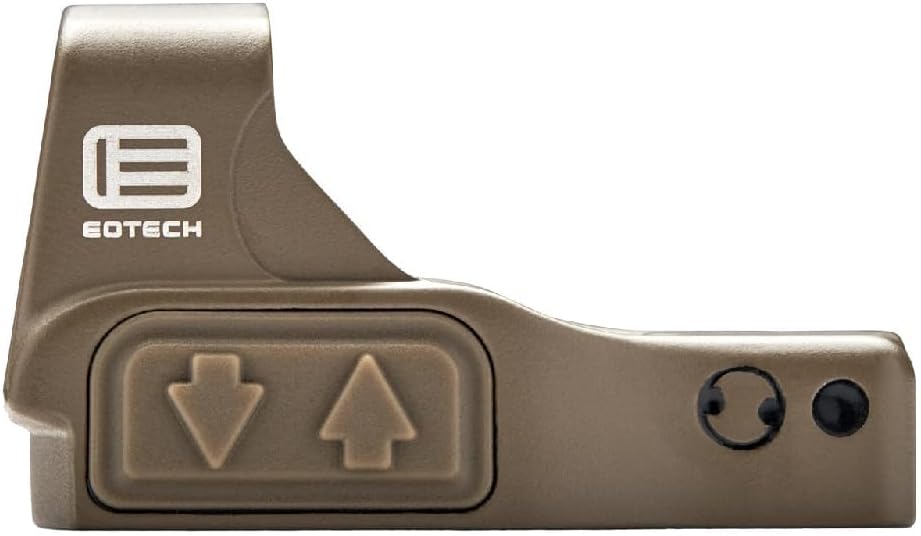
The EFLX brings EOTECH’s glass quality into the pistol optic space.
Specs:
- Dot: 3 or 6 MOA
- Battery: CR2032 (top load)
- Footprint: Leupold DPP
- Window: Large rectangular
Pros:
- Excellent glass clarity
- Large window
- Top battery access
Cons:
- Early durability concerns
- Slight distortion at edges
- Limited track record
My hands-on notes:
The clarity is immediately noticeable—less tint than most optics. The large window helps track recoil on the P220. However, edge distortion can appear under certain angles. Parallax is decent but not class-leading.
What people say online:
Mixed but improving reputation. Many appreciate the glass but want more long-term data.
Mounting clarity:
Uses DPP footprint, requiring compatible plate.
╰┈➤ Explore User Feedback and Current Pricing on Amazon
How I Tested / Evaluation Criteria
Parallax:
I evaluated parallax by shifting head position at 10–25 yards. Premium optics like the ACRO and RMR showed minimal shift, while budget options had slight drift at extreme angles.
Co-witness / deck height:
Deck height matters more on the P220 due to mounting plates. Lower-profile optics allow partial co-witness, but taller designs like the DPP require suppressor-height irons.
Durability:
.45 ACP recoil is unforgiving. I focused on zero retention after repeated firing cycles. Forged housings and enclosed emitters consistently performed better.
Battery:
Top or side-loading batteries reduce downtime. Bottom-load designs require re-zeroing, which is inconvenient on a platform like this.
Brightness range:
Daylight brightness and NV compatibility were tested. Some optics struggled in bright sun, while others offered excellent range.
Glass quality:
Clarity, tint, and distortion varied widely. The EFLX and DPP had the cleanest glass, while others showed noticeable color shift.
Controls ergonomics:
Button placement and tactile feedback matter, especially with gloves. Larger, more tactile controls were easier to use under stress.
Mounting ecosystem:
The P220 relies heavily on adapter plates. RMR footprint options are the most accessible, while proprietary systems limit flexibility.
How to Choose the Right Red Dot for This Gun
Choosing the right optic for a P220 requires more planning than modern optics-ready pistols. First, you need to decide whether you’re willing to mill the slide or rely on a dovetail adapter. Milling gives the lowest deck height and best stability, while plates are more flexible but add height and potential movement.
Footprint compatibility is critical. The RMR footprint is the safest choice due to widespread support. If you go with ACRO or DPP footprints, you’ll need to ensure your mounting solution is solid and properly torqued.
Recoil handling should be a top priority. The .45 ACP impulse is slower but heavier than 9mm, which can expose weaknesses in optic construction. Look for optics with proven durability—especially forged housings or enclosed designs.
Window size is another tradeoff. Larger windows help with target acquisition and tracking, but often come with increased size and weight. Smaller windows are more durable but require better shooting fundamentals.
Battery access matters more than you might think. On a P220, re-zeroing can be tedious due to mounting variability. Side or top-loading batteries save time and frustration.
Finally, consider your use case. For duty or defensive use, prioritize durability and reliability. For range or competition, you may prefer larger windows and faster acquisition.
If your goal is finding the Best Red Dot for P220, the right answer depends on how you balance durability, mounting constraints, and shooting style.
FAQs
1. Can you mount a red dot on a standard P220?
Yes, but it usually requires a dovetail plate or slide milling. The P220 is not optics-ready by default.
2. What footprint is best for the P220?
RMR footprint is the most versatile due to wide plate availability.
3. Do you need suppressor-height sights?
In most cases, yes—especially with taller optics or adapter plates.
4. Is an enclosed emitter worth it?
For duty use, absolutely. It prevents debris from blocking the emitter.
5. Will .45 ACP damage cheaper optics?
Over time, yes. The recoil impulse can expose weaknesses in budget optics.
Conclusion
Finding the Best Red Dot for P220 comes down to balancing durability, mounting compatibility, and usability on a legacy platform that wasn’t built for optics.
If you want absolute reliability, the RMR Type 2 and ACRO P-2 stand out. If you prioritize visibility and speed, the DeltaPoint Pro and EFLX shine. And if value matters most, the Holosun 507C delivers impressive performance at a lower cost.
The key is understanding the P220’s limitations—and choosing an optic that works with them, not against them.